For the Love of Language
Editorial Design
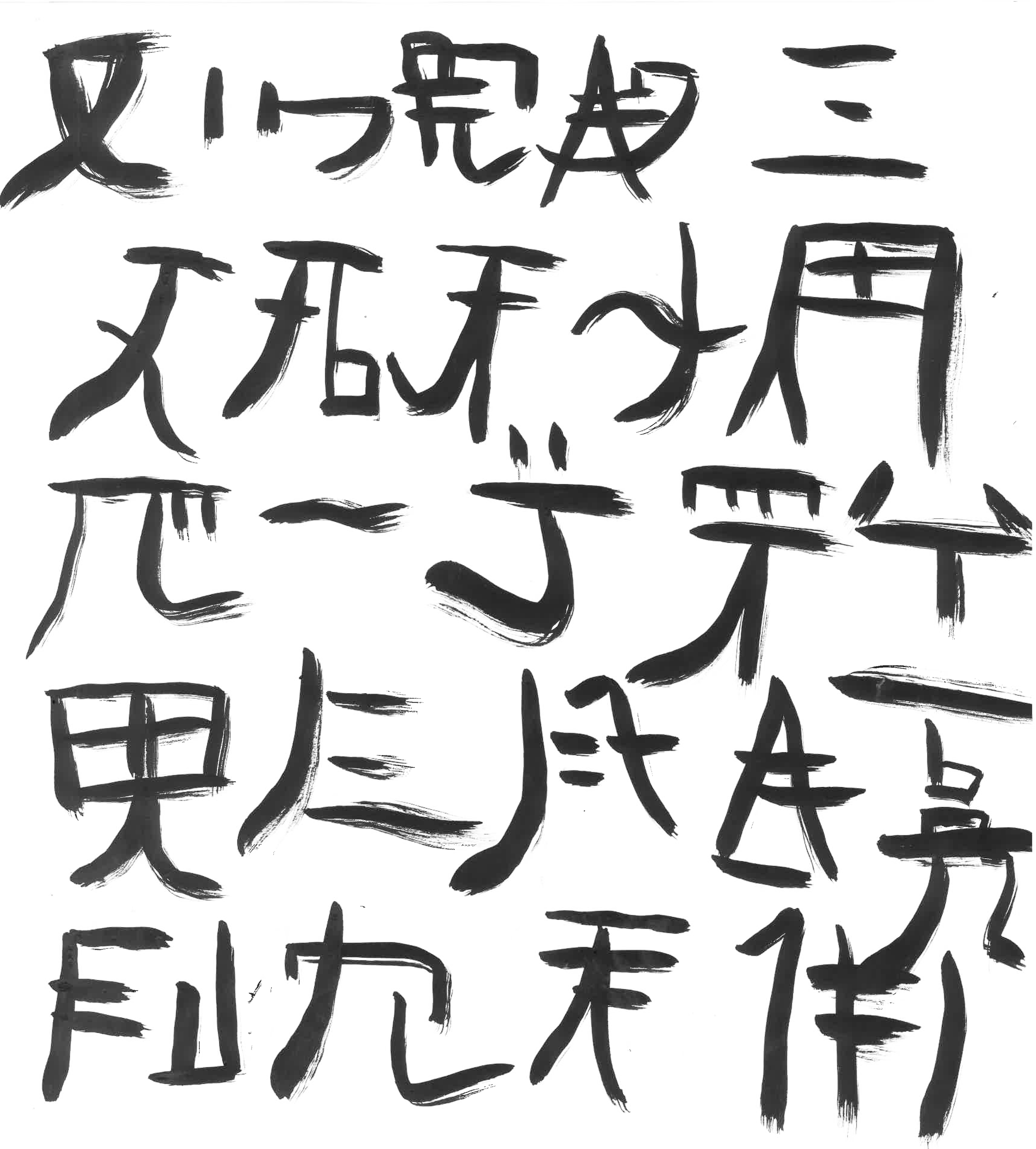
This editorial highlights the connection between ancient and fictional languages and the importance they have on representing cultures, particularly those indigenous.
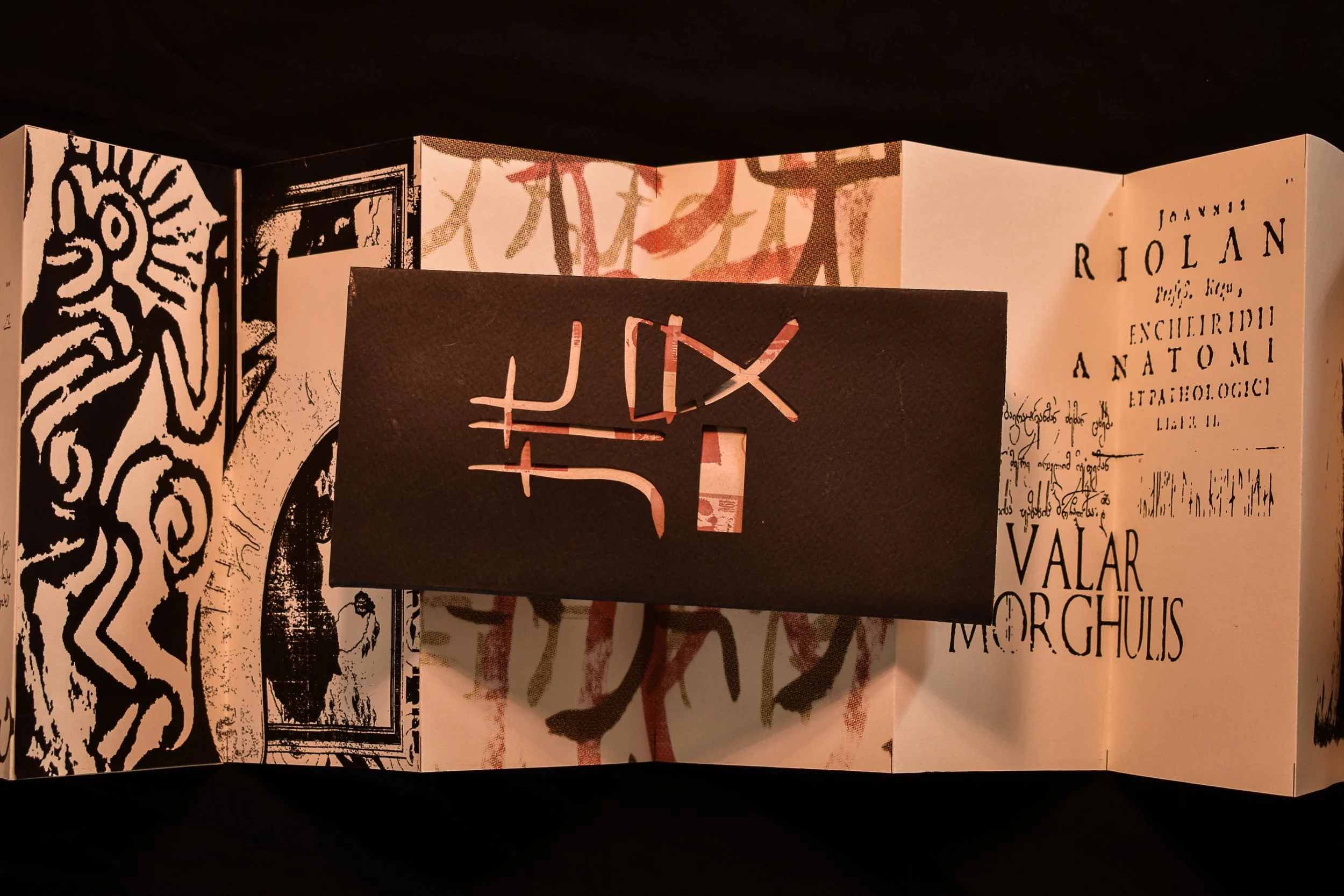
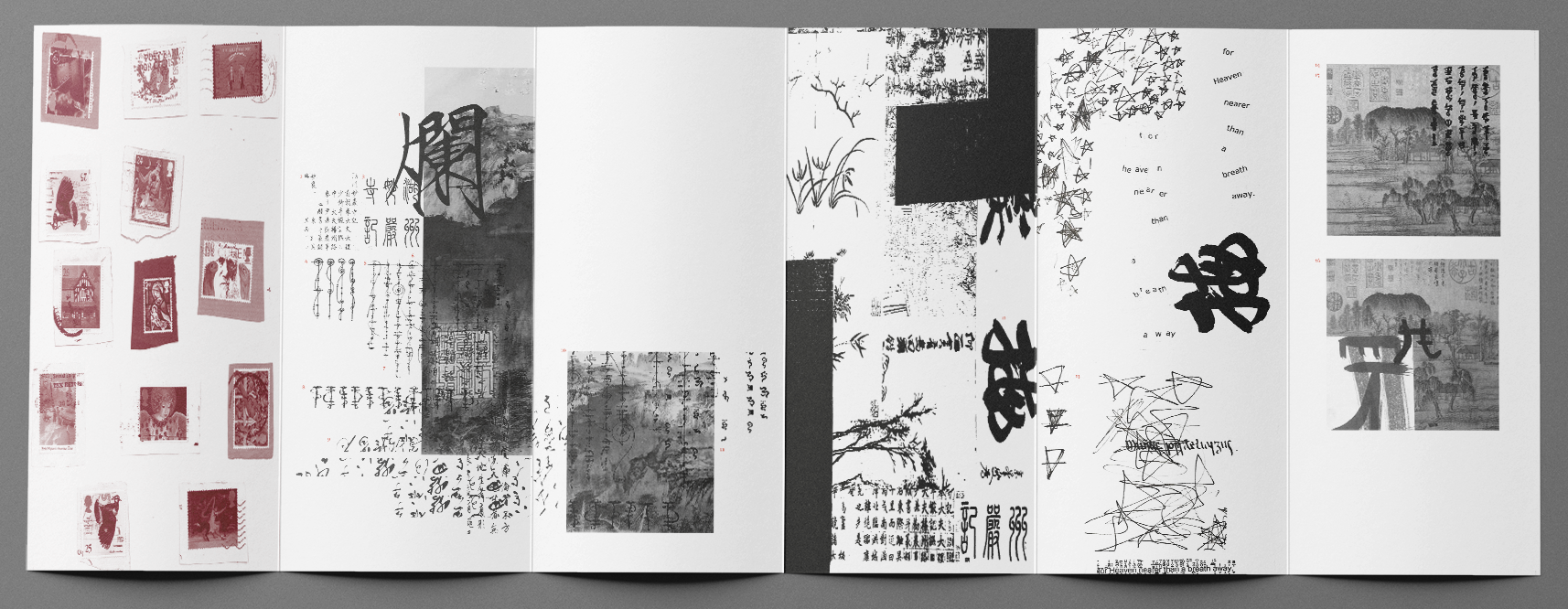
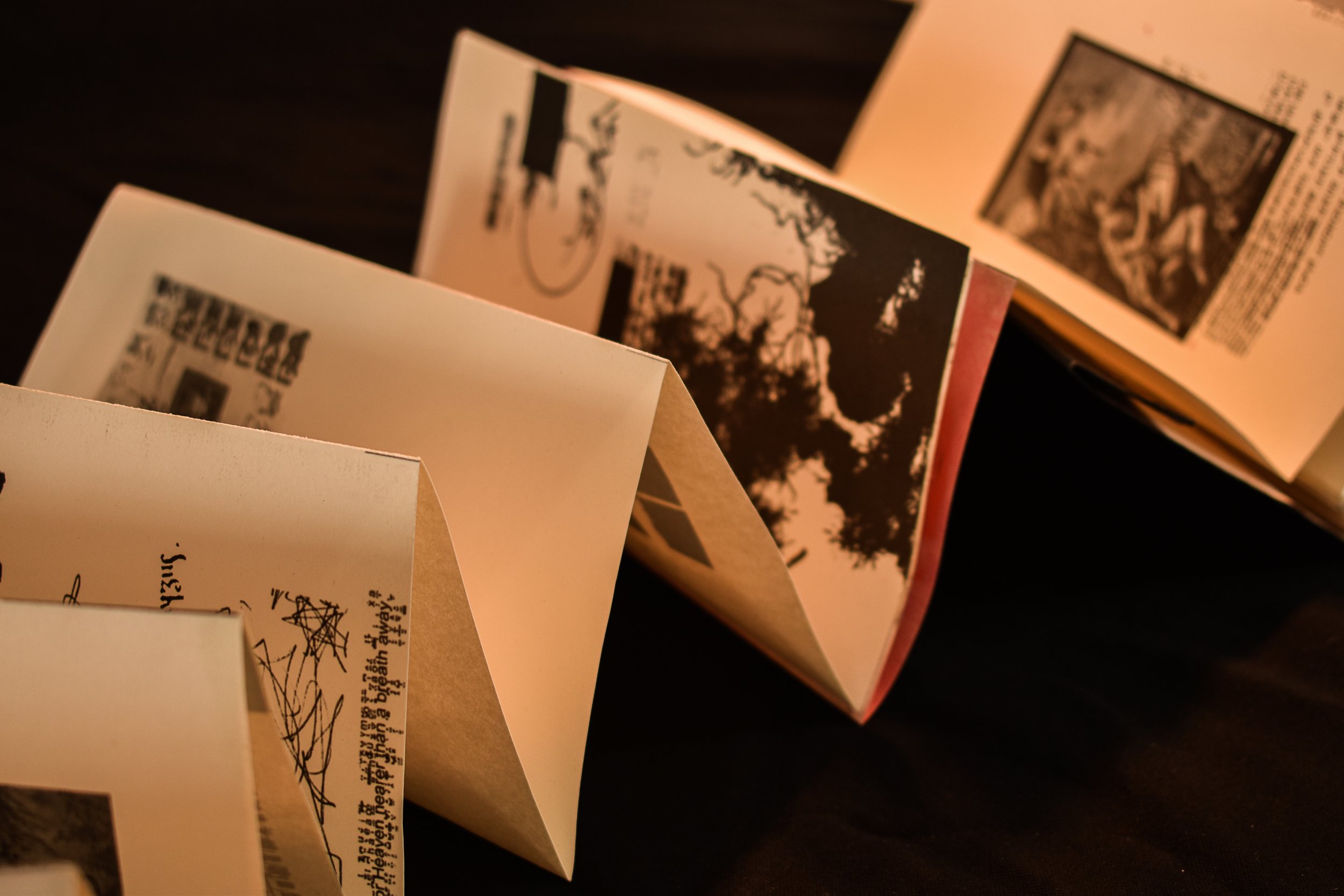
To reflect the intersection of ancient and fictional languages, I based the publication’s format on the traditional dimensions of Egyptian papyrus. This grounded the piece in a sense of historical authenticity. I then introduced a modern twist by using a concertina (accordion) fold, referencing the scroll-like reading experience of ancient texts while presenting it in a contemporary, tactile form. This blend of old and new mirrors the conceptual fusion of real ancient scripts with imagined ones, reinforcing the narrative through both material and structure.
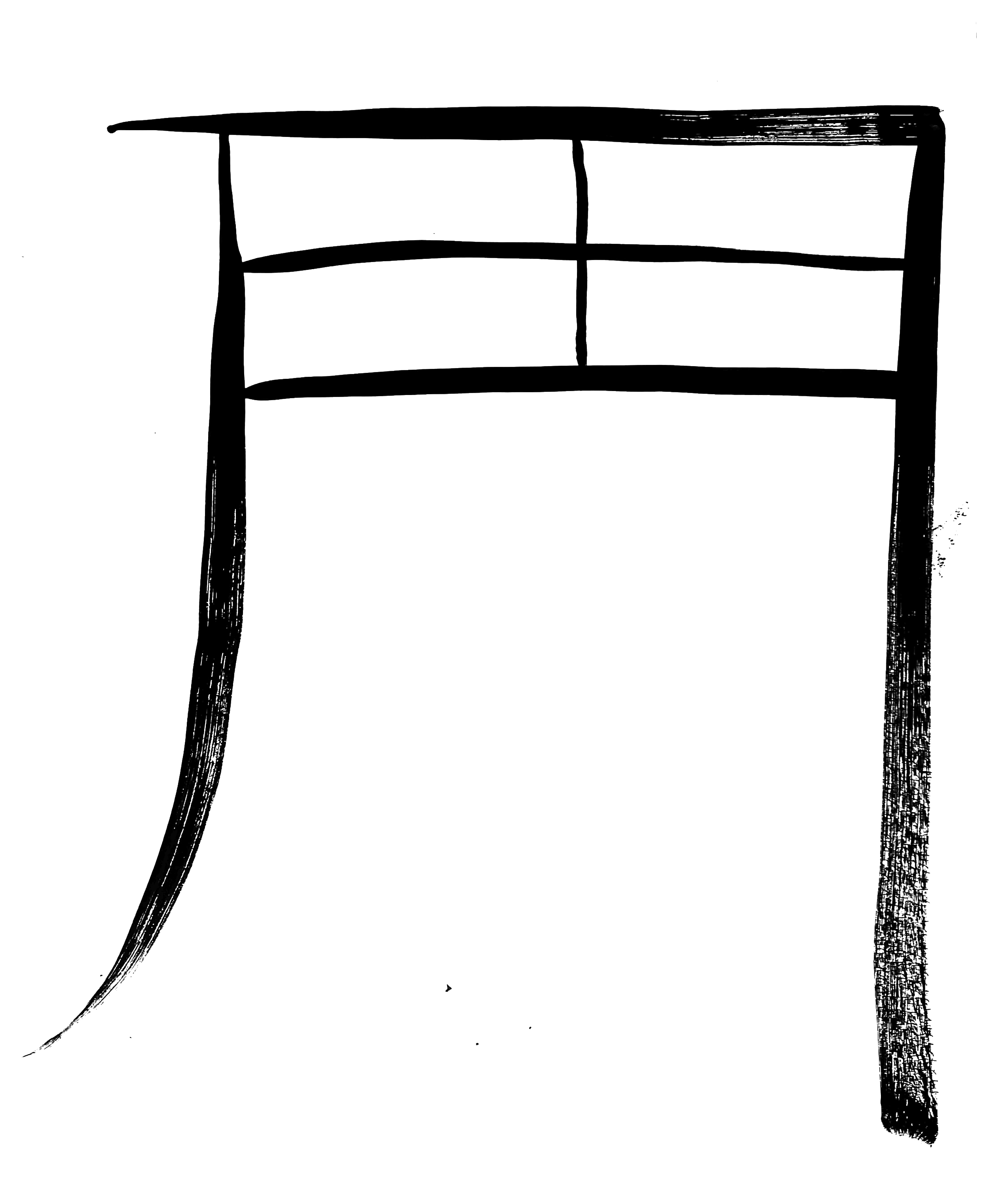
Inspired by the visual rhythm and expressive quality of ancient Chinese script, I developed a fictional alphabet that draws on the form, structure, and brush dynamics of traditional calligraphy. Using ink allowed me to emulate the distinct flicks, pressure, and variation found in historical scripts, bridging tactile process with conceptual invention. The resulting characters were written directly into textured ink spaces, layering form over form to create a richly expressive visual language that feels both ancient and imagined.
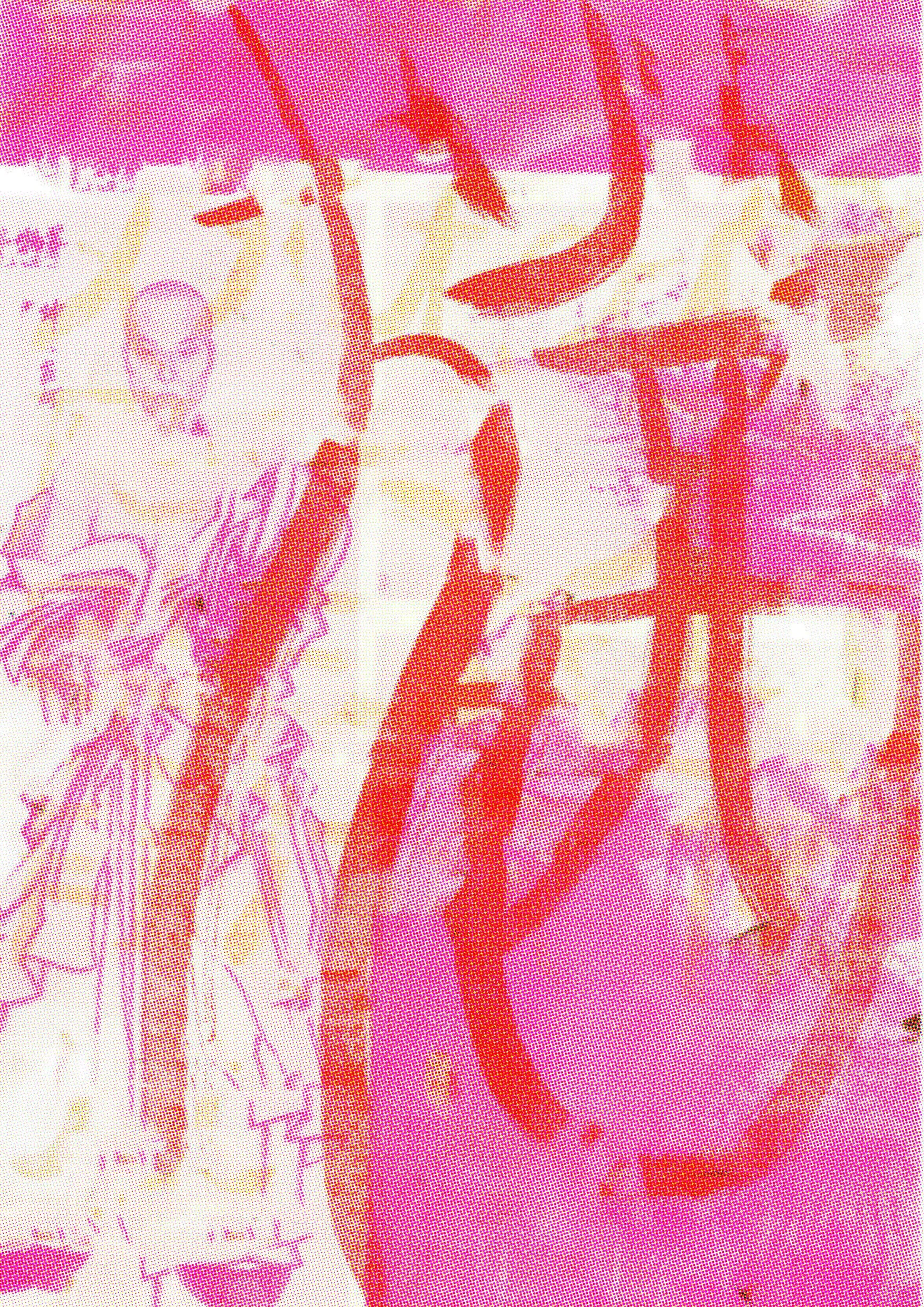
The coloured risograph spread disrupts the monochrome flow, layering my invented Egyptian-inspired script over scanned ink textures and ancient iconography. The clash of neon colour and traditional form captures the tension between ancient and modern communication.
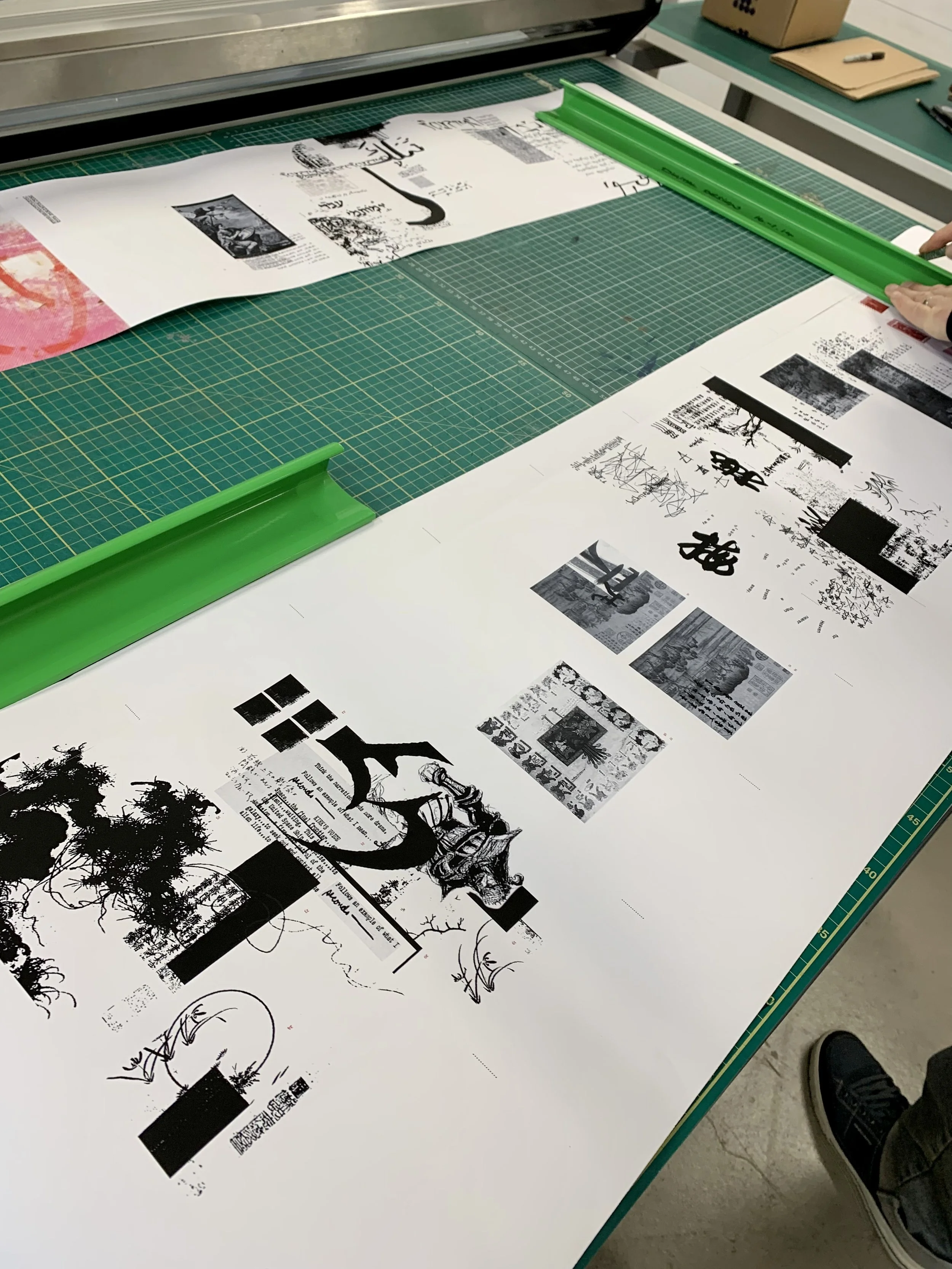
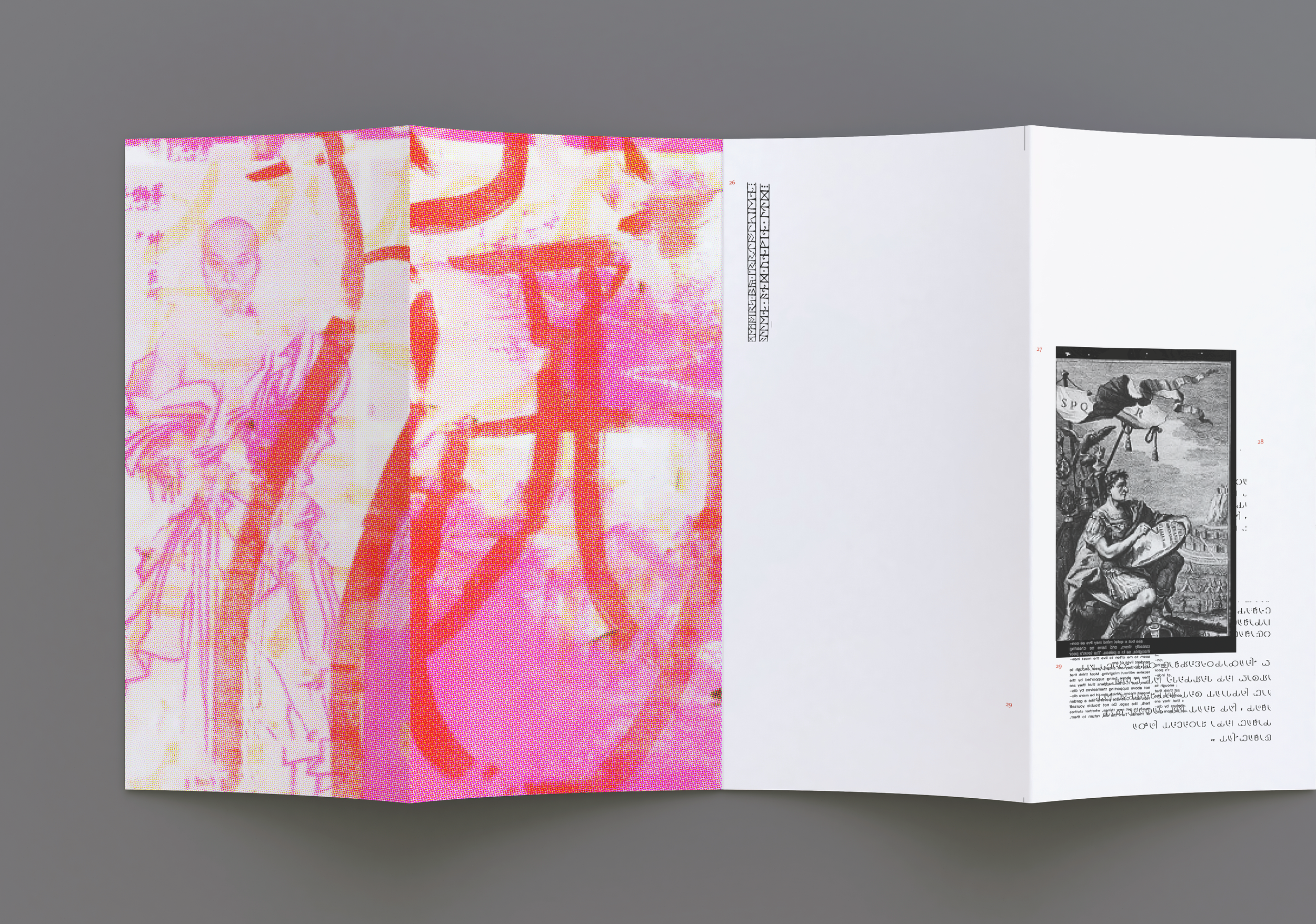
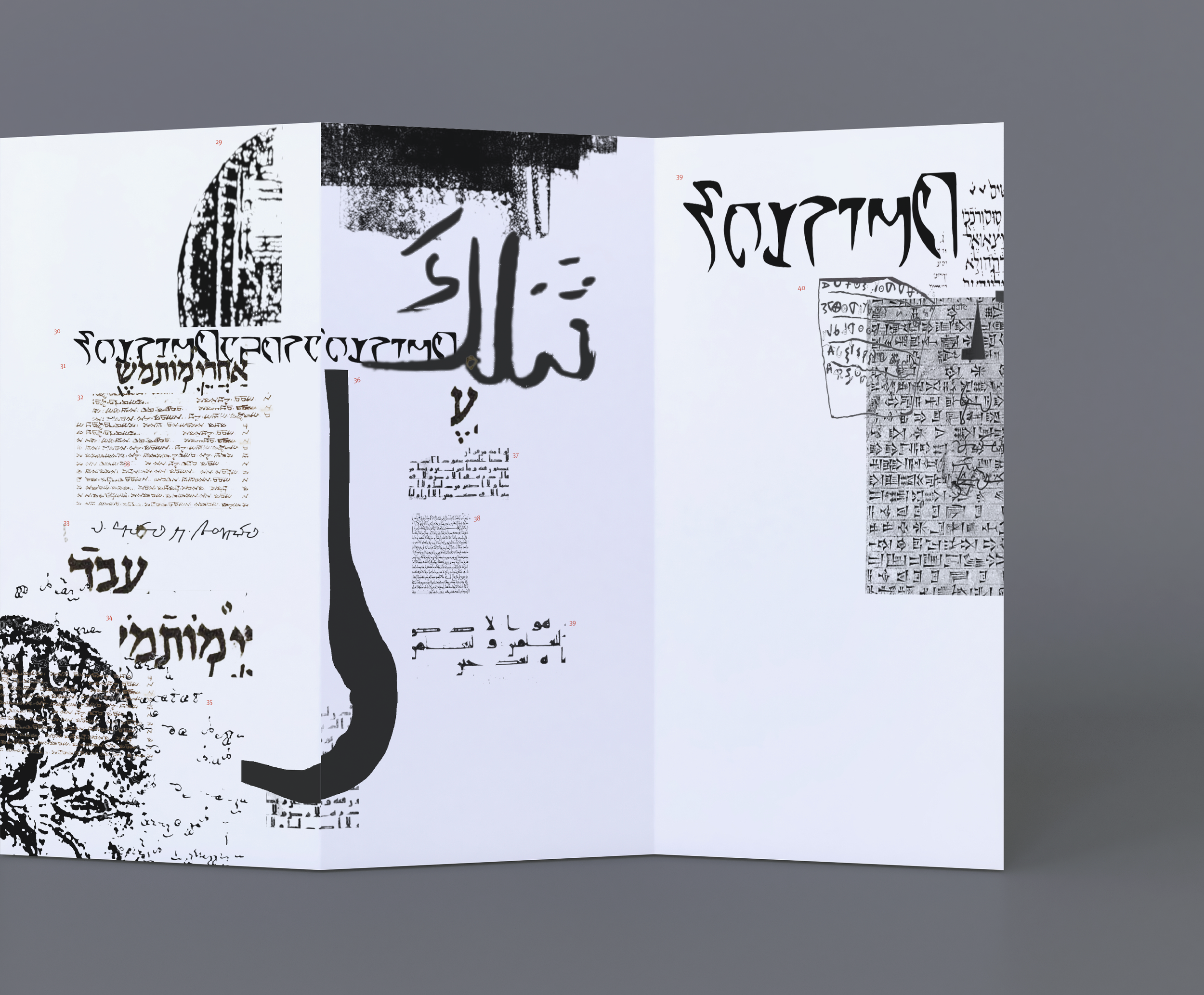
This spread combines Arabic transcripts with fictional languages, Chakobsa from Dune and Klingon from Star Trek, layered through collage to explore their visual and cultural connections. The composition reflects on the tension between language preservation and proliferation: as we lose ancient languages and the cultures they carry, we simultaneously invent new ones, raising questions about the value, identity, and transience of communication.
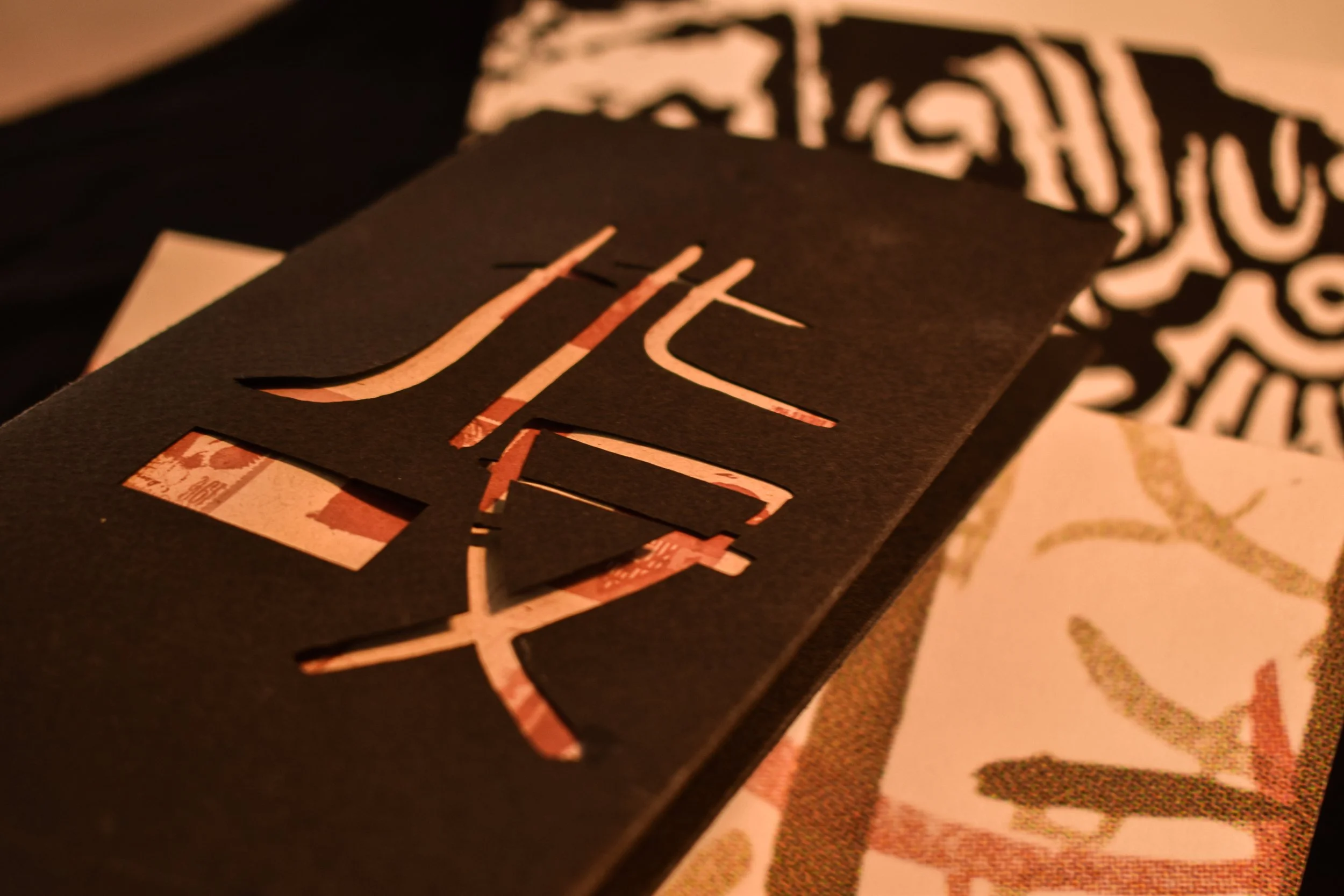
The cover is laser-cut with my invented language, introducing the theme of authenticity versus imitation. Titled The Imposter, the publication invites the reader to question which scripts are real and which are constructed, challenging the boundaries between ancient and fictional language. I chose laser-cutting to merge modern production methods with a tactile, analogue aesthetic. The cutouts reveal stamped symbols on the opening page beneath (scanned from various cultural sources) to highlight the layered, multicultural dialogue within the work.